
Introduction
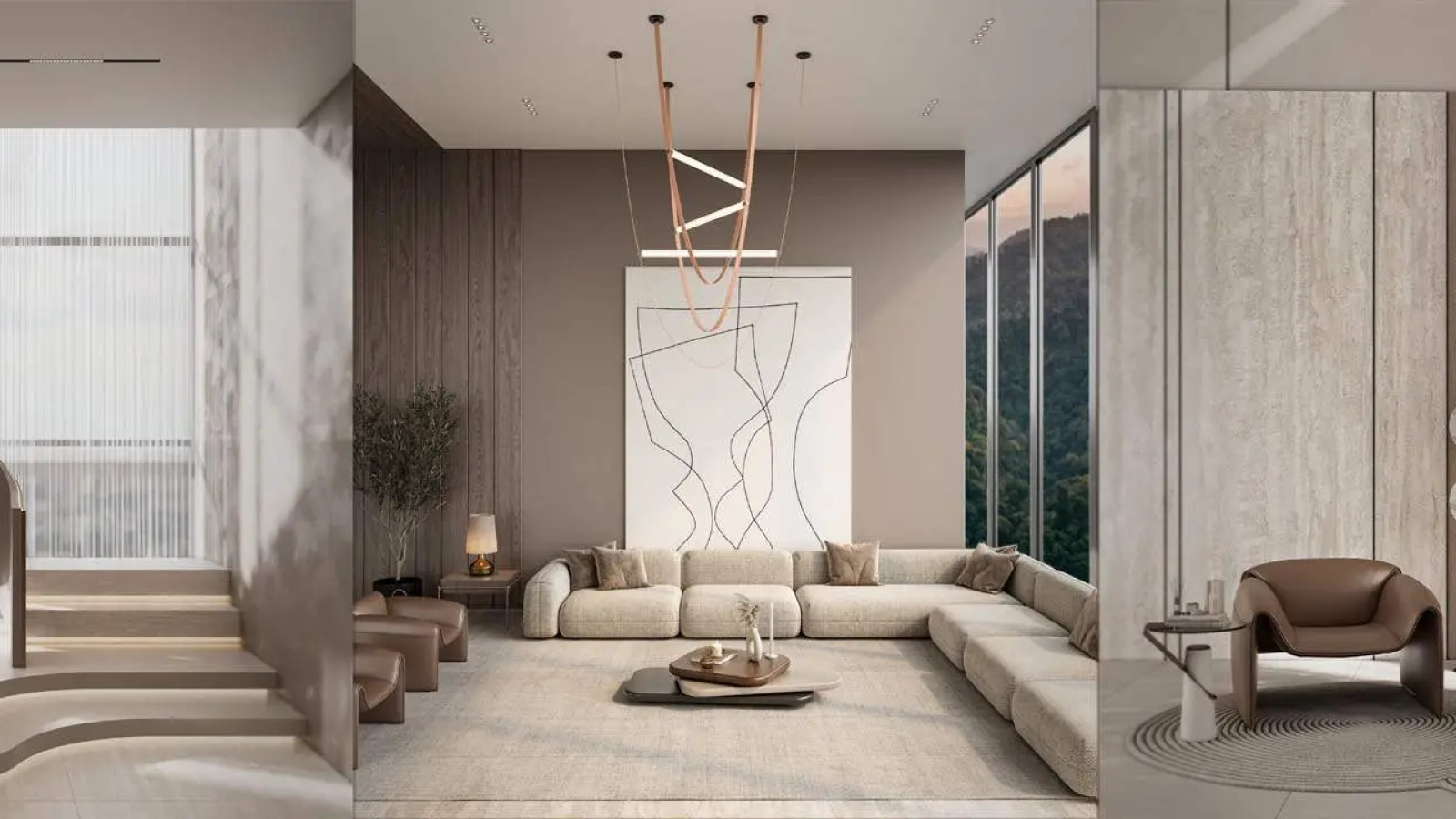
Best interior design means planning spaces and selecting quality furniture in UAE that adapts over time without costly replacements. This approach forms the foundation of the best interior designing in Abu Dhabi.
Modern homes in Abu Dhabi change faster than ever. Families grow, work patterns shift, and living requirements evolve in ways few homeowners anticipate during initial fit-outs. The difference between a home that adapts gracefully and one that demands expensive renovations isn’t about design trends—it’s about strategic interior planning that actually accounts for how people live.
At Majestic Home, we design interiors and deliver quality furniture in UAE that stands the test of lifestyle change, climate, and time. After years of working across Abu Dhabi’s apartments and villas, we’ve learned that design is an investment, not an expense. When interior planning prioritizes adaptability and durability from day one, homes serve their owners for decades. The alternative? We’ve seen it too many times—families stuck replacing entire rooms because the initial fit-out couldn’t handle basic life changes.
What Defines the Best Interior Designing in Abu Dhabi
Best Interior Designing in Abu Dhabi | Top Fitouts in 2026 accounts for climate demands, lifestyle changes, and long-term material performance rather than short-term aesthetic trends. This resilience-first approach prevents costly renovations and ensures homes remain functional as families evolve.
Abu Dhabi’s interior design landscape has shifted over the past decade. Property owners used to focus purely on aesthetics—what looked good in the showroom. Now they’re asking different questions: Will this last? Can it adapt? What happens when we have kids, or when we move to a villa? These are the right questions, because truly exceptional design withstands both environmental stress and life transitions.
Climate, Lifestyle & Durability
Quality furniture in UAE must withstand extreme heat, humidity fluctuations, and constant air conditioning exposure. Materials that perform well in moderate climates often fail within two to three years in Abu Dhabi conditions, making climate-aware selection essential for long-term value.
We’ve tested this the hard way. The UAE climate destroys certain materials with remarkable efficiency. High temperatures cause some woods to warp within months—we’ve pulled apart failed joints where the adhesive literally melted during summer storage. Indoor humidity swings between air-conditioned spaces and balconies stress veneers and cause delamination. Finishes that look perfect in European climates crack and peel here within a year.
At Majestic Home, we only specify materials after seeing how they perform in actual Abu Dhabi homes over multiple years. Some timber species handle the climate beautifully. Others don’t, regardless of price point. Construction methods matter more here than in temperate regions—certain joinery techniques that work elsewhere fail under our temperature cycling.
Beyond climate, Abu Dhabi lifestyles create their own demands. We work with expatriate families who relocate between apartments and villas every few years. Parents who need nurseries that convert to study spaces. Professionals whose spare bedrooms became permanent home offices during 2020 and stayed that way. The best interior designing in Abu Dhabi builds these transitions into the plan rather than treating them as problems requiring expensive fixes later.
Short-Term Trends vs Long-Term Fit-Out Value
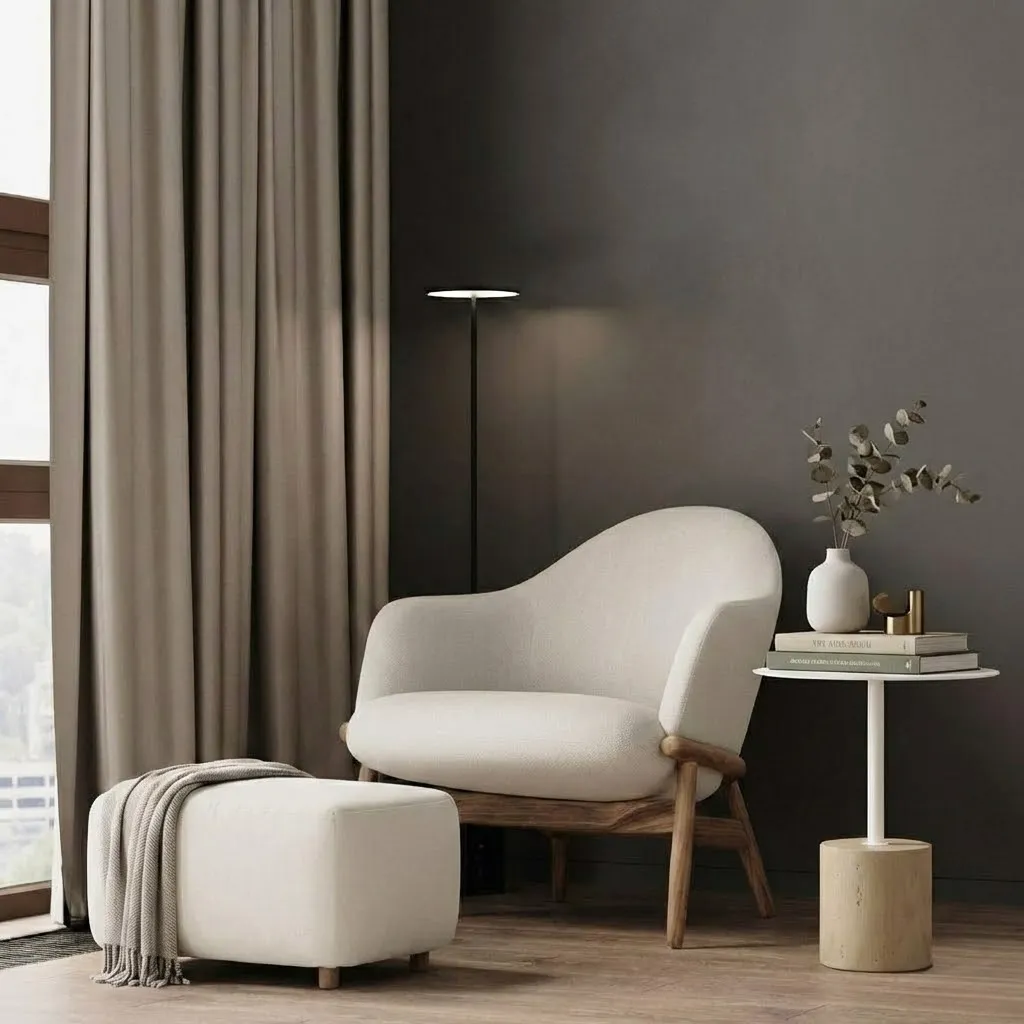
Top fitouts in 2026 prioritize timeless spatial planning and quality materials over trendy finishes that quickly appear dated. Investment in durable foundations allows homeowners to update accessories and accents affordably while maintaining core design integrity for years.
Design trends cycle faster than renovation budgets allow. That color palette everyone wanted three years ago? It already feels tired. Statement pieces that dominate Instagram lose their appeal when the algorithm moves on. We’ve had clients request complete room overhauls just to escape trends they committed to eighteen months earlier.
The smarter approach separates the permanent from the temporary. Neutral foundations in flooring, cabinetry, and major furniture pieces provide stability. Quality construction ensures these elements remain structurally sound for decades—we have sofas and dining tables still performing perfectly after fifteen years of daily family use. Then adaptable accents through textiles, lighting, and decorative elements allow style refreshes without touching core infrastructure. This layered approach delivers both current appeal and long-term financial sense.
Furniture & Fit-Outs as a Long-Term Investment
Quality furniture in UAE represents capital allocation toward assets that maintain utility and aesthetic value for ten to fifteen years. Custom fit-outs eliminate the hidden costs of poor spatial planning, furniture incompatibility, and premature material failure common with mass-produced alternatives.
Viewing furniture as investment rather than purchase changes how you make decisions. We encourage clients to calculate cost per year of use, not just sticker price. A well-constructed sofa used daily for twelve years costs significantly less annually than three cheaper sofas replaced every four years. And that calculation doesn’t even account for the time, effort, and disruption each replacement cycle demands—the delivery scheduling, the furniture disposal, the room rearrangement.
Custom Furniture vs Mass-Produced Pieces
Custom furniture designed for specific spaces eliminates wasted room dimensions, ensures optimal material quality, and allows modifications as needs change. Mass-produced pieces rarely fit Abu Dhabi room proportions perfectly and use standardized materials unsuited to local climate demands.
Mass production optimizes for manufacturing efficiency and shipping logistics. Not for your home, not for Abu Dhabi’s environment. Standard furniture dimensions assume room sizes common in European or American markets—which means they fit poorly in most Abu Dhabi apartments where room proportions follow different standards. We regularly measure spaces where mass-produced sofas leave awkward 40cm gaps or block doorways by 15cm.
Material selection in mass production prioritizes cost reduction over climate performance. Assembly methods favor speed over longevity. The result fits poorly, wears quickly, and needs replacement precisely when family budgets face other demands like school fees or medical expenses.
Custom furniture from Majestic Home starts with measuring your actual rooms and understanding how you actually use your spaces. We’ve learned that what clients say they need and what they actually need often differ—which is why we ask about daily routines, not just aesthetic preferences. Material selection accounts for UAE humidity, heat exposure, and usage intensity based on household composition. Construction methods ensure structural integrity under real-world stress, because we’ve seen what fails and why.
The Hidden Cost of Replacing Cheap Fit-Outs
Poor-quality fit-outs generate recurring costs through warranty claims, premature replacements, and spatial inefficiencies that limit furniture options. Over ten years, cheap fit-outs typically cost two to three times their initial price when accounting for all replacement cycles and lost property value.
The true cost of cheap fit-outs extends well beyond purchase price. Furniture that fails after three years demands new purchases plus disposal of broken pieces—which in Abu Dhabi often means paying removal fees or dealing with building management restrictions. Poorly planned storage creates ongoing organizational chaos and forces purchase of additional storage solutions that wouldn’t be necessary with proper planning. Incompatible room layouts limit future furniture options, forcing costly compromises.
We’ve evaluated properties for resale and rental where poor initial fit-outs significantly impacted value. Potential buyers or tenants immediately notice worn finishes, dysfunctional layouts, and cheap materials. The impact on achievable price or rent often exceeds what proper fit-outs would have cost initially.
Professional interior planning and quality furniture in UAE prevent these cascading expenses. Durable construction eliminates replacement cycles—we still service pieces we installed over a decade ago, and they only needed minor repairs. Strategic storage planning prevents the organizational chaos we see in poorly planned homes. Thoughtful spatial design ensures flexibility for future needs. The upfront investment pays dividends year after year.
Pro Tip: How to Choose Quality Furniture in UAE That Lasts 10+ Years
Look at joint construction, not surface finish. Quality pieces use mortise-and-tenon joints, dovetail drawers, and metal brackets—not staples or glue alone. We’ve disassembled enough failed furniture to know exactly where cheap construction shows up first. For UAE conditions, solid wood or high-grade engineered wood outperforms particleboard, which swells and deteriorates in humidity. Verify fabric durability ratings exceed 30,000 double rubs for any upholstery seeing daily use—less than that and you’ll see wear patterns within two years. Request documentation of climate testing for heat and humidity exposure. Most importantly, work with suppliers who offer meaningful warranties backed by local service capabilities, because a five-year warranty means nothing if the company has no UAE presence.
Space Planning for Life Changes in Abu Dhabi Homes
Effective interior planning in Abu Dhabi accommodates predictable lifestyle transitions including family growth, remote work integration, and property type changes. Modular furniture and adaptable room configurations prevent costly renovations as household needs evolve over five to ten year periods.
We’ve tracked this pattern across hundreds of Abu Dhabi families. The average household experiences significant lifestyle changes every three to five years. Young professionals become parents. Children progress from cribs to desks to teenage privacy requirements. Remote work arrangements that started as temporary became permanent. Elderly relatives join households. Properties change from compact apartments to spacious villas or vice versa based on career and financial circumstances.
Traditional interior design treats these transitions as disruptions requiring expensive solutions. We see them as predictable patterns requiring thoughtful preparation. A well-planned home doesn’t resist change—it accommodates transformation through intelligent spatial design and furniture selection.
Modular Furniture for Flexible Living
Modular furniture systems allow room reconfigurations without purchasing new pieces. Sectional sofas adapt to different room shapes, storage units expand as belongings increase, and multi-functional furniture serves changing purposes across life stages.
Modular design works because of its inherent adaptability. We’ve had clients reconfigure modular sofas from L-shaped apartment arrangements to linear villa layouts without buying additional pieces—just rearranging what they already own. Modular storage systems expand vertically or horizontally as collections grow, which matters more than people realize until they’re dealing with years of accumulated belongings. Dining tables that extend to accommodate guests or contract for daily family use prevent the need for two separate dining solutions.
At Majestic Home, our modular furniture lines specifically anticipate Abu Dhabi’s common lifestyle transitions. We design sectional components that work in both 800-square-foot apartments and 3,000-square-foot villas because we know families move between these property types. Storage systems that begin in nurseries can evolve into teenage bedrooms and eventually home offices. This continuity eliminates the waste and expense of complete furniture replacement during relocations.
Designing for Family Growth & Work-From-Home
Interior planning for growing families requires furniture that serves multiple age stages and flexible room allocations that transition from nurseries to studies to guest rooms. Work-from-home integration demands dedicated workspace that maintains professional function without dominating living areas.
Family growth presents predictable spatial challenges that somehow still catch people off guard. Nurseries become toddler rooms requiring different storage and safety considerations. Play areas convert to homework zones needing desk space and organizational systems. Teenage years bring privacy requirements and social gathering spaces. Guest rooms serve visiting family, then transform into home offices or hobby spaces as children leave.
Smart planning addresses these progressions upfront. Convertible cribs transform into toddler beds and eventually daybeds—we’ve had some go through all three stages and still look good. Storage systems designed initially for toys accept books, electronics, and clothing as children age. Neutral color foundations allow simple updates through bedding and accessories rather than complete room overhauls.
Work-from-home integration requires equal forethought. We learned this during 2020 when everyone suddenly needed home offices. Dedicated office spaces prevent work from consuming living areas while maintaining professional functionality—which matters when you’re on video calls. Proper lighting, acoustics, and storage ensure productivity without sacrificing residential comfort. We design home offices that close off visually and acoustically when work ends, preserving the psychological separation between professional and personal life that remote workers desperately need.
Resilient Fit-Out Strategies for Villas, Apartments & Rentals
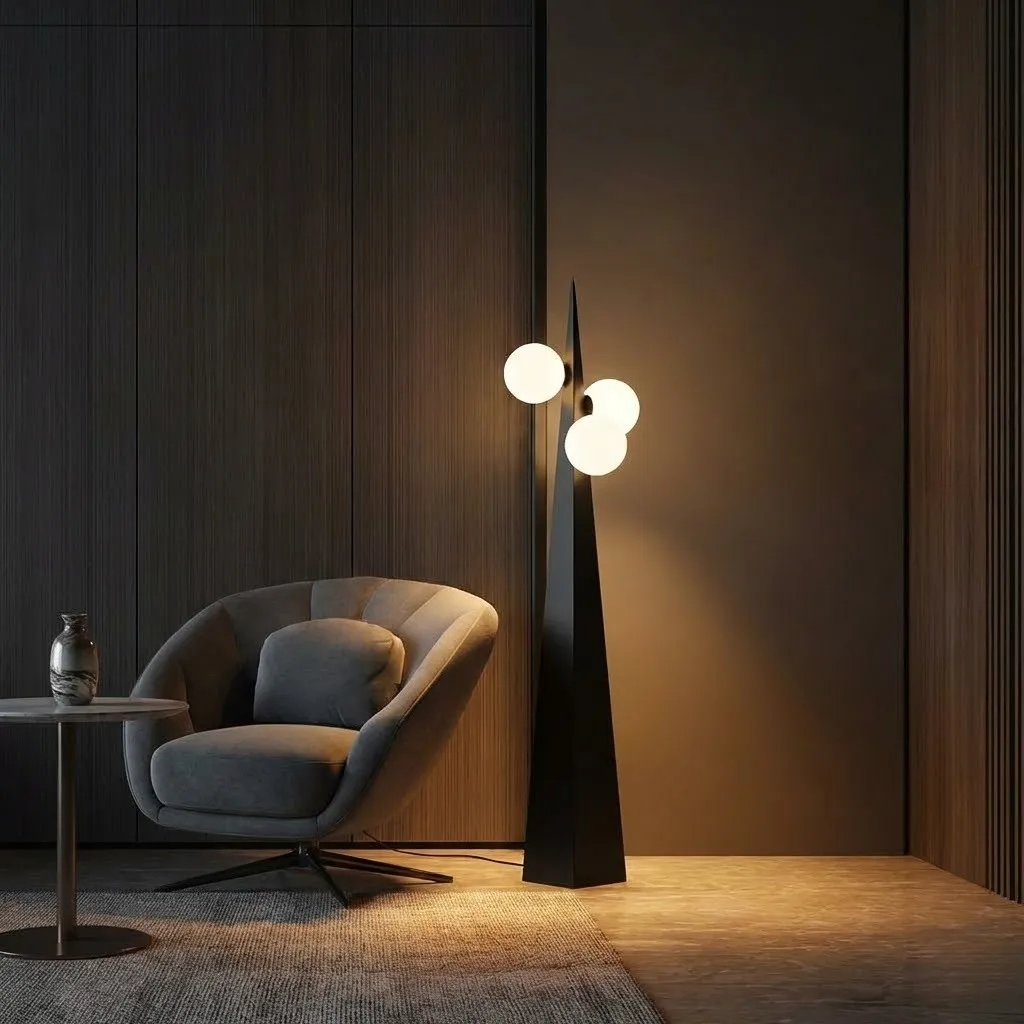
Top fitouts in 2026 apply different resilience strategies based on property type. Apartments prioritize space efficiency and modularity, villas emphasize material quality and custom solutions, while rental properties require durability and tenant appeal balanced against investment returns.
Abu Dhabi’s property types demand tailored approaches. What works brilliantly in a luxury villa fails practically in a compact apartment. Rental property fit-outs face different constraints than owner-occupied residences. After working across all these property categories, we’ve developed distinct strategies for each.
Apartments & Compact Living
Apartment fit-outs maximize vertical storage, utilize multi-functional furniture, and employ visual continuity to enhance perceived space. Built-in solutions and custom-fitted furniture extract maximum utility from every square meter without creating cramped conditions.
Compact apartment living demands efficiency. Every square meter serves multiple purposes or it’s wasted space. Storage must be abundant yet unobtrusive. Furniture proportions must fit rooms precisely to avoid circulation problems—we’ve seen too many apartments where oversized sofas make hallways impassable.
Our apartment solutions prioritize vertical space utilization because that’s where the unused volume sits. Floor-to-ceiling wardrobes capture otherwise wasted upper room volumes. Wall-mounted desks and fold-down dining surfaces free floor space when not needed. Custom-sized sofas and beds fit room dimensions exactly, eliminating awkward gaps that collect dust or oversized pieces that dominate small rooms. Consistent color palettes and streamlined profiles create visual calm that makes compact spaces feel larger than they measure.
Multi-functional furniture proves essential in apartments. Ottomans provide seating, storage, and coffee table surfaces simultaneously. Murphy beds transform bedrooms into daytime living spaces—we’ve installed these in studios where they’re the difference between functional and cramped. Extendable dining tables accommodate dinner parties, then contract for daily use. These solutions deliver flexibility without cluttering spaces with single-purpose furniture.
Villas & Luxury Residences
Villa fit-outs justify premium materials and bespoke construction given larger budgets and longer ownership timelines. Custom solutions for unique architectural features, integrated smart home systems, and cohesive design across multiple rooms create distinctive properties that maintain value.
Luxury villas present opportunities for exceptional interior design that apartment budgets simply can’t support. Larger budgets allow premium materials that deliver superior performance and aesthetics over decades. Extended ownership timelines justify custom solutions optimized for specific spaces and family requirements. Architectural features like high ceilings, unusual room proportions, and outdoor connections demand bespoke approaches that mass-produced furniture cannot address.
Villa projects showcase our full capabilities. We design furniture that responds to unique architectural elements, turning potential challenges into distinctive features. Custom dining tables sized perfectly for formal dining rooms—not 10cm too short or too long, but exactly right. Sectional sofas engineered for large family rooms with optimal seating capacity and conversation flow based on actual room acoustics and sightlines. Built-in libraries that transform architectural niches into functional beauty rather than awkward dead space.
Material selection in villas prioritizes longevity and luxury. Premium hardwoods, natural stone, high-grade upholstery fabrics, and artisan craftsmanship create interiors that improve with age rather than deteriorate. We’ve seen 20-year-old solid wood furniture develop beautiful patina while cheap alternatives fell apart. Smart home integration becomes seamless when planned during fit-out rather than retrofitted later—and we’ve dealt with enough retrofit headaches to know the difference matters.
Rental & Investment Properties
Rental property fit-outs balance durability against tenant appeal, using quality materials that withstand turnover while maintaining attractive aesthetics. Neutral designs maximize tenant pool size, and strategic quality investments reduce maintenance costs and vacancy periods.
Investment properties face distinct constraints. Fit-out costs must generate acceptable returns through rent premiums, reduced vacancies, or lower maintenance expenses. Materials must withstand multiple tenants and varied treatment levels. Aesthetics should appeal broadly rather than reflect personal taste—landlords who impose their specific style preferences limit their tenant pool unnecessarily.
Our rental property solutions focus on strategic quality placement. We invest in durable flooring, robust cabinetry, and quality plumbing fixtures that reduce maintenance calls and replacement frequency. After managing enough rental turnovers, we know exactly which components fail first and cost the most to replace. Furniture packages for furnished rentals prioritize cleanability, stain resistance, and structural resilience over cutting-edge design. Neutral color schemes and contemporary styling appeal to broad tenant demographics without appearing cheap.
This approach delivers measurable financial benefits that we’ve tracked across client portfolios. Quality materials reduce turnover costs and maintenance emergencies—fewer panicked calls about broken cabinet hinges or failed drawer slides. Attractive interiors command rent premiums and fill faster, which matters more than landlords often realize until they’re covering carrying costs during extended vacancies. Durability extends replacement cycles, improving long-term returns substantially.
Practical Interior Design & Fit-Out Strategies (Toolkit)
Material Selection for Longevity
Climate-appropriate materials for Abu Dhabi include solid woods like oak and walnut sealed for humidity resistance, high-pressure laminates for cabinetry, performance fabrics with stain resistance, and powder-coated metals for hardware. Avoid particleboard, unsealed wood, delicate natural fibers, and materials lacking heat resistance.
Material performance determines furniture lifespan more than any other factor. Wrong materials fail regardless of construction quality or design excellence. Abu Dhabi’s climate eliminates entire material categories that work successfully elsewhere—we learned this through expensive mistakes in our early years.
Solid hardwoods properly sealed for humidity perform exceptionally well. Oak, walnut, and teak withstand temperature fluctuations and moisture exposure we see here. High-pressure laminates offer durability and aesthetics for cabinetry and countertops without the maintenance headaches of some natural materials. Performance fabrics engineered for commercial hospitality use handle residential wear, spills, and cleaning without degradation—critical when you have young children or frequent guests. Powder-coated metal hardware resists corrosion from humidity and air conditioning condensation that destroys standard finishes.
Materials to avoid include particleboard, which swells and deteriorates in humidity within two to three years. We’ve pulled apart enough failed particleboard furniture to never specify it. Unsealed wood absorbs moisture and warps predictably. Delicate natural fibers like silk and raw linen degrade quickly under Abu Dhabi sunlight and climate stress. Brass and chrome hardware corrode unless properly sealed—we now only use powder-coated or marine-grade finishes.
Neutral Foundations with Adaptable Accents
Base design on neutral floors, walls, and major furniture pieces in warm grays, soft whites, and natural wood tones. Layer personality through textiles, artwork, lighting fixtures, and decorative accessories easily updated as tastes evolve without touching foundational elements.
The layered approach to interior design separates permanent investments from temporary expressions. Neutral foundations provide visual calm and timeless appeal. They photograph well for property listings. They appeal to broad taste preferences, which matters for resale and rental value. Most importantly, they don’t date quickly or require replacement when trends shift—and trends shift constantly.
Warm grays, soft whites, beiges, and natural wood tones form ideal foundation palettes for Abu Dhabi homes. These colors work across architectural styles, reflect light to enhance space perception, and complement virtually any accent color scheme. When applied to flooring, walls, and major furniture pieces, they create sophisticated canvases for personal expression without limiting future options.
Personality and current style enter through easily changeable elements. Throw pillows and blankets update living rooms seasonally without major expense. Artwork rotates based on mood and discovery. Lighting fixtures make dramatic statements without permanent commitment—swapping pendant lights takes minutes. Rugs define spaces and introduce color without installation complexity. This approach allows style evolution without renovation budgets, which matters when you’re living in the space for years.
Storage-Focused Design
Adequate storage prevents clutter and extends usable space. Plan storage for 150% of current belongings to accommodate growth. Integrate storage into architectural elements through built-in wardrobes, under-stair solutions, and custom cabinetry rather than relying on freestanding furniture that consumes floor space.
Insufficient storage destroys interior design faster than almost anything else. Clutter accumulates when belongings lack designated homes. Freestanding storage furniture crowds rooms and creates visual chaos. Lack of organization causes daily frustration and wastes time searching for items—we’ve had clients estimate they spend 30 minutes daily just looking for things.
We recommend planning storage capacity for 150% of current belongings based on years of observation. Households accumulate possessions over time in predictable ways. Children bring toys, books, and equipment. Hobbies generate specialized gear. Seasonal items require secure storage. Professional wardrobes expand. Planning excess capacity prevents future storage crises that force expensive additions.
Built-in storage solutions maximize efficiency while minimizing space consumption. Floor-to-ceiling wardrobes utilize vertical room height that freestanding furniture wastes. Under-stair volumes transform from dead space to functional storage—we’ve created entire utility closets under staircases. Window seats incorporate drawers or lift-top access. Kitchen pantries extend to ceilings rather than stopping at arbitrary heights. These integrated approaches deliver far more storage per square meter than freestanding furniture while maintaining clean visual lines.
Pro Tip: How to Future-Proof a Room Without Redesigning It
Install electrical outlets every three meters along walls at both floor and desk height to accommodate future furniture arrangements and technology needs—we’ve learned this after too many projects where outlet placement limited furniture options. Choose adjustable shelving systems that reconfigure as storage requirements change rather than fixed shelves that lock you into one configuration. Select neutral wall colors that work across multiple furniture styles and life stages. Invest in quality lighting with dimming capability to adjust ambiance for different uses—the same room needs different lighting for homework versus dinner parties. Plan window treatments that provide both privacy and light control for varying room purposes. These foundational choices enable major function changes with minimal renovation costs later.
Frequently Asked Questions
What defines the best interior designing in Abu Dhabi?
What defines the best interior designing in Abu Dhabi?
The best interior designing in Abu Dhabi combines climate-appropriate material selection, adaptable spatial planning, and quality furniture in UAE that serves households across lifestyle changes. It prioritizes long-term value through durability and flexibility over short-term aesthetic trends.
After years working in Abu Dhabi, we’ve learned that exceptional design here means more than beautiful rooms. It requires understanding how extreme climate affects material performance—which we’ve tested extensively. How expatriate lifestyles create unique flexibility requirements that don’t exist in other markets. How property investment timelines demand extended durability that justifies higher initial costs. The best designers balance aesthetics with these practical realities, creating homes that remain beautiful and functional for years while adapting to family evolution.
Why is quality furniture in UAE critical for long-term living?
Quality furniture in UAE withstands extreme heat, humidity fluctuations, and intensive use without structural failure or aesthetic degradation. Poor-quality furniture typically requires replacement every three to four years in UAE conditions, while quality pieces maintain functionality and appearance for ten to fifteen years, delivering superior long-term value.
The UAE climate accelerates furniture deterioration in ways that surprise people coming from temperate regions. Heat exposure weakens adhesives and finishes. Humidity swings stress joints and cause swelling. Air conditioning creates temperature differentials that expand and contract materials repeatedly.
Are custom fit-outs worth the cost in Abu Dhabi?
Custom fit-outs eliminate spatial inefficiencies, ensure optimal material performance in Abu Dhabi climate, and accommodate specific lifestyle requirements that mass-produced solutions cannot address. While initial costs exceed ready-made alternatives, custom fit-outs typically deliver 30-40% better space utilization and last twice as long, justifying higher upfront investment.
Custom fit-outs optimize every decision for specific circumstances. Room dimensions, architectural features, storage requirements, aesthetic preferences, and usage patterns all influence design. Mass-produced furniture forces compromises across all these factors—we see it constantly.
How does interior planning reduce future renovation costs?
Strategic interior planning anticipates lifestyle changes through modular furniture, adaptable room configurations, and excess storage capacity. This preparation allows accommodation of family growth, work pattern changes, and living preference shifts without structural modifications or complete furniture replacement, typically preventing 60-80% of renovation expenses over ten years.
Most renovations we see result from poor initial planning rather than genuine need. Insufficient storage forces additions. Inflexible layouts demand reconfiguration when uses change. Trendy finishes require updates as styles evolve. Cheap materials fail prematurely, forcing replacement.
Can Majestic Home design and execute full fit-outs across Abu Dhabi?
Yes, Majestic Home provides comprehensive interior design and fit-out services throughout Abu Dhabi and all UAE emirates. Our services include space planning, custom furniture design and manufacturing, material selection, installation, and post-completion support. We manage projects from initial consultation through final installation, delivering turnkey solutions for apartments, villas, and investment properties.
Based in Fujairah with service coverage across the UAE, we combine manufacturing capabilities with design expertise. We control the entire process from concept through installation, which ensures quality, timeline adherence, and budget management in ways that multi-vendor approaches simply can’t match. Our team understands Abu Dhabi’s specific requirements including climate considerations, common property types, and typical lifestyle patterns from years of hands-on work. This local expertise informs every design decision.
Key Takeaways
The best interior designing in Abu Dhabi prioritizes resilience through climate-appropriate materials, adaptable spatial planning, and quality furniture in UAE engineered for long-term performance. Successful fit-outs anticipate lifestyle changes including family growth, work pattern shifts, and property transitions, preventing costly future renovations through strategic initial planning. Custom furniture and built-in solutions deliver superior space utilization, material durability, and functional adaptability compared to mass-produced alternatives. Investment in quality fit-outs generates financial returns through extended furniture lifespan, reduced replacement cycles, maintained property values, and avoided renovation expenses. Top fitouts in 2026 separate permanent foundational elements from easily updated accents, allowing style evolution without touching core infrastructure or requiring major expense.
Conclusion
Your home should grow with you. The best interior designing in Abu Dhabi recognizes that homes serve families across years of evolution, climate stress, and changing needs. Strategic planning, quality materials, and thoughtful furniture selection create spaces that adapt gracefully rather than require expensive intervention every few years.
At Majestic Home, we deliver the best interior designing in Abu Dhabi through thoughtful planning, durable fit-outs, and quality furniture in UAE that lasts, adapts, and retains value. Our approach centers on understanding life trajectories, not just current moments. We design for the family you’re becoming, the career changes ahead, and the climate realities of Abu Dhabi living that can’t be ignored.
Every project begins with listening. We learn how clients use their spaces, what frustrates them about current arrangements, and how they envision their lives evolving. This understanding informs every design decision, ensuring solutions serve real needs rather than impose aesthetic visions. We specify materials proven across years of UAE deployment—not theoretical performance, actual performance. We engineer furniture for both beauty and longevity because we’ve seen what fails and when. We plan spaces that welcome change rather than resist it.
The result is interior design that proves its value year after year. Furniture that remains beautiful and functional through childhood chaos, career changes, and home relocations. Fit-outs that accommodate growing families without structural modifications. Investments that maintain property values and deliver daily satisfaction rather than daily frustration.
Speak with our design team today to create a space built for the future. Majestic Home serves Abu Dhabi and all UAE emirates with comprehensive interior design, custom furniture manufacturing, and complete fit-out services. Transform your property into a home that adapts, endures, and enhances life for years to come.